

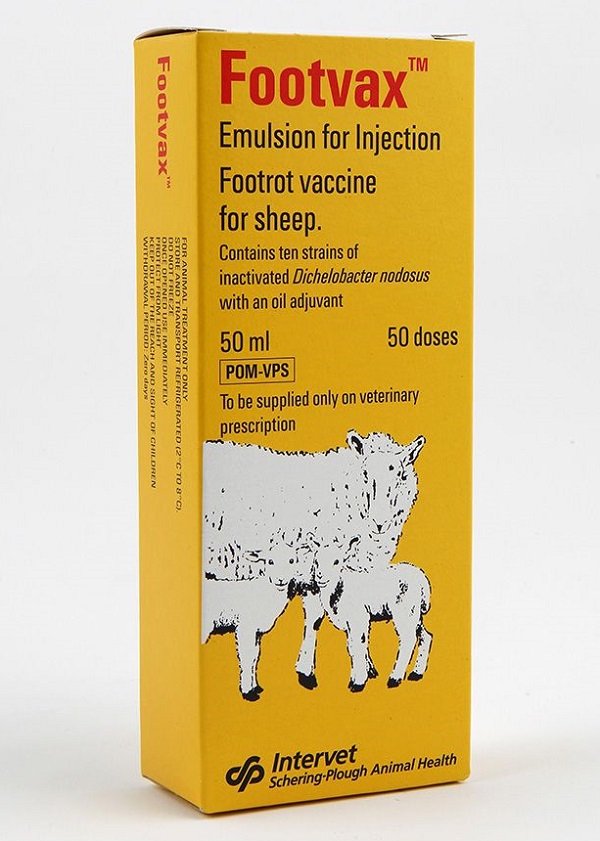
Description
Purpose and Benefits:
-
- Disease Prevention: The primary goal of this vaccine is to prevent footrot in sheep. By stimulating the sheep’s immune system, the vaccine helps protect against the different serotypes of D. nodosus that cause footrot.
- Reduction of Lesions: In addition to preventing the onset of footrot, the vaccine aims to reduce the severity and extent of lesions in sheep that are exposed to the pathogen. This helps in minimizing the clinical signs and discomfort associated with footrot.
- Enhanced Health and Productivity: Preventing footrot not only improves the health and well-being of individual sheep but also enhances overall flock productivity. Healthy sheep are less likely to experience lameness, reduced feed intake, and lower wool production, thereby contributing to better economic returns for sheep farmers.
Dosage & Administration:
-
- Dose: 1 ml per sheep.
- Administration:
- Initial Course:
- Administer two doses, each 6 weeks apart, by subcutaneous injection.
- Inject on the side of the neck, approximately 2 to 3 inches behind the ear.
- Shake the vaccine thoroughly before use to ensure proper suspension.
- Due to the oil adjuvant in the vaccine, it is quite viscous. To facilitate administration in cold weather, gently warm the vaccine by immersing the vial in warm (not hot) water for 3 to 4 minutes prior to injection.
- Ensure syringes and needles are sterile before use. Inject through clean, dry skin, adhering to strict hygiene protocols to minimize the risk of abscess formation.
- Initial Course:
Vaccination Programmes:
-
- Tailoring Programs:
- Develop vaccination schedules based on the specific needs of each flock. Adjust plans according to seasonal variations and the incidence of footrot within the flock.
- Whole Flock Vaccination:
- Implement whole flock vaccination strategies whenever possible. This approach reduces overall disease incidence and mitigates environmental risk factors.
- Tailoring Programs:
Prevention Programme:
-
- Initial Vaccination:
- Start with a single dose of Footvax. Additional doses may be necessary based on the flock’s disease status and environmental conditions.
- Follow-Up Doses:
- If significant footrot remains or if conditions favor disease persistence 4 to 6 weeks after the initial dose, administer an additional dose. Otherwise, delay further doses until conditions are more conducive to the disease’s re-emergence.
- Subsequent doses should align with current disease challenges. In cases of severe, persistent disease, revaccination may be needed every 4 to 5 months. In contrast, under more favorable conditions, revaccination can be postponed until disease incidence or environmental conditions worsen.
-
In the UK, adverse conditions for footrot typically occur between March and May and between October and December. Plan vaccinations to conclude just before these periods if problems are anticipated.
- Initial Vaccination:
Treatment Programme:
-
- Immediate Response:
- Administer a single dose of Footvax as soon as footrot is detected within the flock.
- For optimal results, combine Footvax treatment with footbath applications and appropriate antibiotic therapy.
- Immediate Response:
Revaccination:
-
- Schedule:
- Follow the guidelines outlined in the prevention programme. Continue revaccination as a central component of the overall flock foot care strategy to ensure long-term disease management and prevention.
- Schedule:
Footvax is essential for maintaining flock health and controlling footrot, providing a key component of effective flock management and disease prevention strategies.


Reviews
There are no reviews yet.